Introduction
Core facilities play an important, enabling role in helping researchers at the Cancer Research UK Cambridge Institute (CRUK CI) conduct high-quality research. The Institute operates 14 core facilities — from bioinformatics to flow cytometry to proteomics to scientific computing — that help researchers focus on areas including the basic molecular and cellular biology of cancer, molecular imaging and modeling, laboratory and clinical investigations into specific cancer sites, and related clinical trials. Since 2016, CRUK CI has used the Stratocore software solution to facilitate the management of its core facilities.
This case study focuses on three keys to the successful Stratocore software implementation — keys that extend beyond the solution’s technical features and capabilities and Stratocore’s collaborative support during the implementation process. Specifically, the keys were:
Coordination
Planning
Communication
Challenge and Opportunity
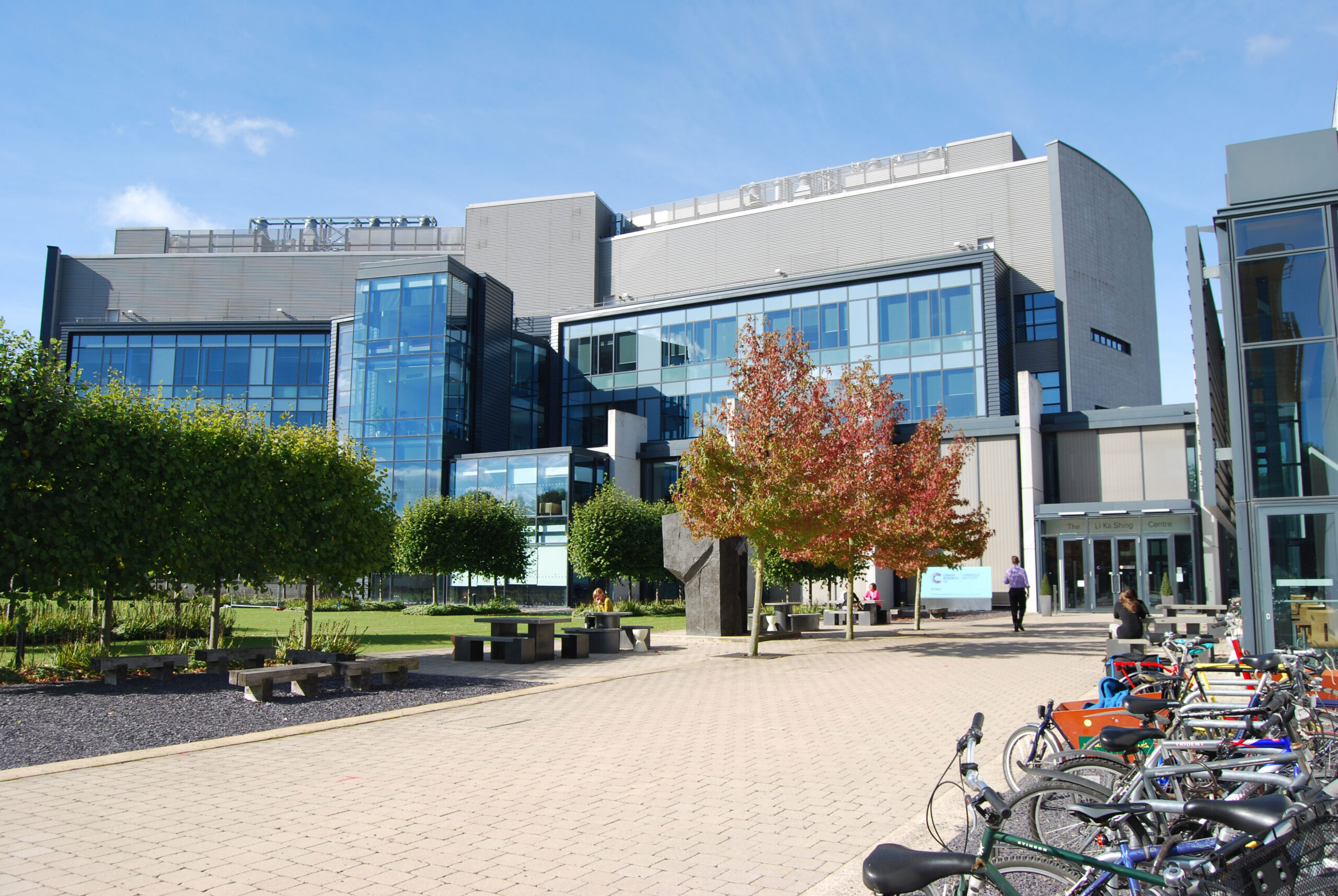
The Cancer Research UK Cambridge Institute was founded in 2007 and has been part of the University of Cambridge since 2013. CRUK CI, one of five Cancer Research UK research institutes around the country, is located on the Cambridge Biomedical Campus and is uniquely positioned to nurture collaborations with the University of Cambridge, surrounding institutes and departments on the Campus, and Addenbrooke’s Hospital, a regional cancer centre.
CRUK CI has 23 research groups, approximately 500 staff, and 14 core facilities. The Institute’s core facilities serve a user base of approximately 900 users in total (including external users from the wider Cambridge community) and provide access to approximately 300 scientific instruments and 250 scientific services.
In 2014, the Institute began an extensive exploration and evaluation of core facility management solutions, recognizing the deficiencies of the basic booking (or scheduling) system it had been using. Some of the challenges included the inability to capture and store sufficient operations data using the legacy system, the extremely limited reporting capabilities of the legacy system (requiring frequent, manual, and time-consuming processes to generate monthly scorecards and monitor core facility performance), and the lack of financial integration with the associated burdens of manual invoicing and assigning costs across research funding sources.
CRUK CI Core Facilities
Bioinformatics
Biorepository
Biological research unit
Flow cytometry
Genome editing
Genomics
Histopathology and in situ hybridization
Laboratory management
Light microscopy
Pharmacokinetics and bioanalytics
Pre-clinical imaging
Proteomics
Research instrumentation
Scientific computing
CRUK CI chose to partner with Stratocore in 2015 and began the implementation process in 2016. The plan included integrating the Stratocore solution with systems already in place at the Institute and University, achieving user authentication, financial, and LIMS (laboratory information management system) integrations.
Key 1 – Coordination
Active, close coordination was key to CRUK CI’s Stratocore implementation. This included coordination between CRUK CI and Stratocore, coordination within the Institute, and coordination between CRUK CI and key stakeholders and units at the University of Cambridge. On the Institute side, it was extremely valuable to appoint a Project Manager and to assign individual responsibilities related to the implementation at an early stage. The manager of one of the Institute’s core facilities, Dr. Jane Gray (Head of the Research Instrumentation Core Facility) assumed the Project Manager role and served to coordinate and keep the implementation on track.
A CRUK CI Project Team was assembled, consisting of the Project Manager, the Institute’s Director of Operations, four ‘super administrators’ trained and assigned to manage the overall Stratocore platform, and the Institute teams responsible for Grants, Finance, and Information Technology (IT).
The Project Team met bi-weekly during the implementation process, held monthly update meetings with CRUK CI core facility heads, and interacted directly with the University of Cambridge Finance Team and with internal and external core facility users. Dr. Gray and the Project Team also facilitated the important interface between the Institute and the Stratocore implementation team, along planning, organizational/change management, and technical/IT fronts.
Key 2 – Planning
Proactive planning across the Institute’s core facilities was also key to the successful implementation. CRUK CI’s partnership with Stratocore was seen as a timely opportunity to explore and re-examine some of its approaches to core facility management.
The Institute effectively asked itself: Given the opportunity to start with a new core facility management solution, how do we want to set things up to optimize operations, management, and performance?
Planning elements included those related to setting up facility users and groups, clarifying user rights, and reexamining prices. Core facility heads were asked to think about how they wanted to use the Stratocore solution, and the Project Team made decisions on general policies related to how the solution should be consistently implemented across facilities.
As one example, CRUK CI decided that it wanted to integrate all of its core facilities’ activities with its financial system, to automate monthly billing, and to move towards full integration with the University of Cambridge financial system. Implementation of the Stratocore solution was also used as an opportunity to revise pricing. To accomplish this, a member of the Institute’s Finance team worked with each core facility to examine its costing model, develop prices, and put into place mechanisms to allow charging according to source of funding, thus aligning with research sponsors’ and the University’s policies.
Key 3 – Communication
Extensive internal communication was key to facilitating implementation, and a series of Institute-wide communication and support channels were utilized by the Project Team. Examples included posters, a helpdesk email system, and an intranet website — each aimed at communicating the changes to core facility users and stakeholders and providing support and assistance.
Prior to each of the go-live dates, the Project Team organized town hall meetings with live Stratocore demos from users’ points of view, and for first few days after each go-live date, the Team held in-person, drop-in sessions for individuals to visit with any questions or problems.
Future Directions
CRUK CI’s evaluation, selection, and successful Institutewide implementation of the Stratocore core facility management solution — characterized by the importance of coordination, planning, and communication — have attracted the attention of other University of Cambridge research centers, institutes, and departments interested in improving the management of their core facilities. In response, Dr. Gray and other stakeholders are having conversations across the University about CRUK CI’s implementation experiences, lessons learned, and best practices—and about how they may help others evaluate, select, and successfully implement the solution across their portfolios of core facilities.
According to Dr. Gray, “Partnering with Stratocore has not only enhanced our ability to manage core facilities across the Institute and decreased scientists’ and staff members’ administrative burdens, but the carefully managed implementation process provided us with an opportunity to make strategic decisions about how we wanted to organize and operate our core facilities. Stratocore’s power and flexibility enabled these decisions to be translated into a user-friendly solution that delivers value to facility users, administrators, and senior leaders.”
For more information regarding this case study, or to learn more about our implementation process, please get in touch.
Related Content
.png)
Case Studies

Inside the University of Birmingham’s PPMS Catalogue Rollout: Searchable Assets, Smarter Decisions
The Stratocore PPMS Catalogue at the University of Birmingham helps researchers discover equipment, services and expertise while turning data into insights for planning, budgeting and risk management....
Case Studies
The Cancer Research UK Cambridge Institute Partners with Stratocore to Enhance Core Facility Management
The keys to a successful PPMS implementation...

Case Studies
How TRI Leverages PPMS Data to Drive Strategic Research Infrastructure Management
How The Translational Research Institute (TRI) turns Stratocore PPMS usage and performance data into powerful insights: shaping decisions around staffing, equipment investment and long-term planning....